Research Centres

The best research is collaborative.

Read on to learn more about the interdisciplinary research taking place in our Research Centres. Or check out some of the laboratories and cutting-edge research facilities where research happens at Nipissing.

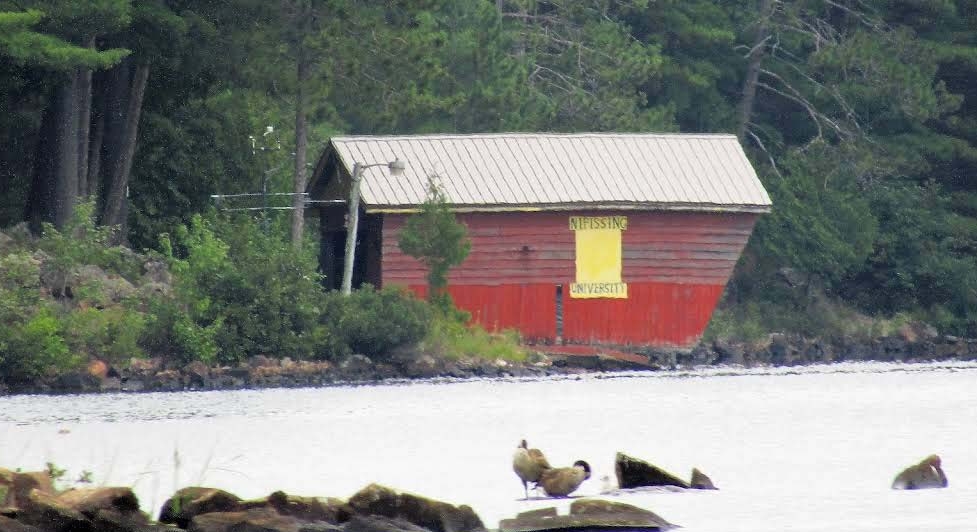
  • Alcan Field Station hut

    Alcan Field Station

    Lake Talon

    Learn More

    The Nipissing University-Alcan Environmental Research Preserve (NUAERP) consists of over 3 km2 of wilderness land located approximately 45 km east of North Bay. The property was donated to Nipissing University by Alcan Canada in 1999 with the condition that the land remain in a pristine state and that it be used for environmental research.

    The property encompasses a range of aquatic, wetland and terrestrial environments including coniferous and deciduous forests representative of the Great Lakes - St. Lawrence Forest Region. The property is bounded by Lake Talon to the southwest and offers shoreline access to a number of smaller lakes. The range of terrestrial and aquatic environments makes the NUAERP a unique and valuable resource for research and teaching activities in the environmental sciences. This undeveloped property is relatively inaccessible and, together with the surrounding crown land, forms a controlled watershed making it an ideal situation for long-term environmental research.

    Two skidoos, several boats and a cottage are available at the station.

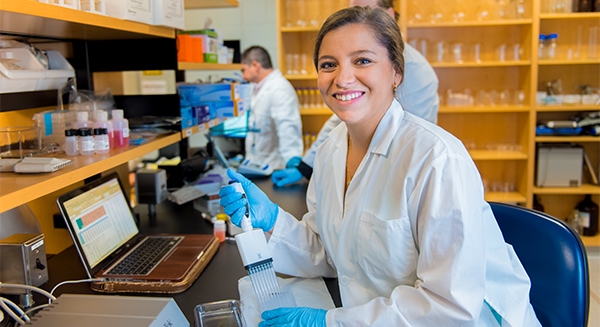
  • Students in a chemistry lab

    Analytical and Environmental Chemistry

    Learn More

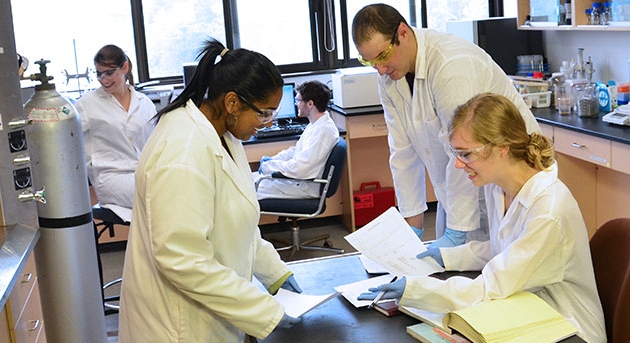
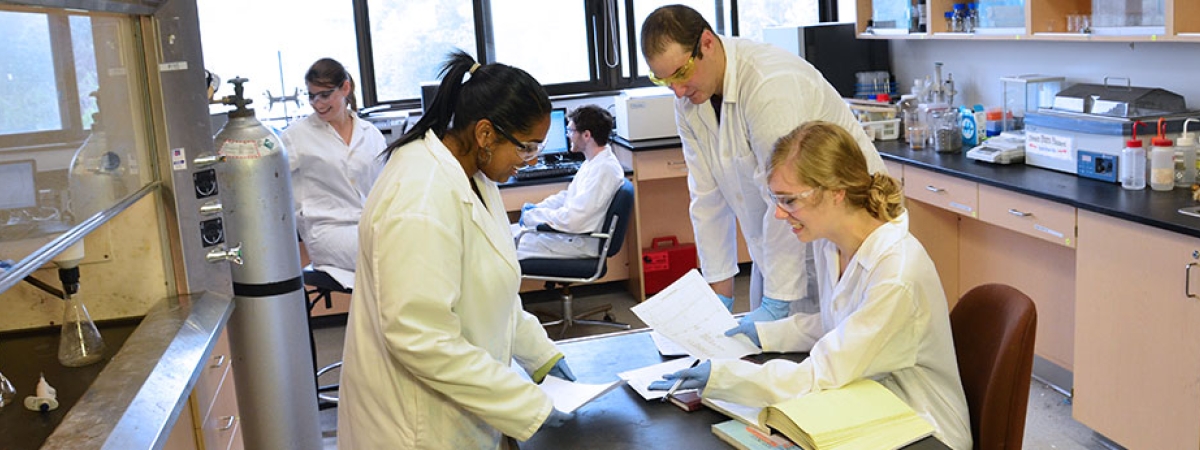
    Dr. Kariuki's current interests include hydrometallurgy as well as a study of the effects of reduced sulphur species on water quality. The main goal of the hydrometallurgical research that we are performing is to develop more environmentally friendly and economical ways of mining minerals compared to the smelting processes that have traditionally been used.

    An important part of the sulfur project is an investigation of the speciation of the reduced sulfur species in drinking water sources.

    The above research is being carried out using a variety of techniques that include Atomic Absorption Spectroscopy (AAS), High Performance Liquid Chromatography (HPLC), and Voltametric techniques. 

  • Biomechanics Lab

    Biomechanics and Ergonomics Laboratory

    Room: AC148

    Learn More

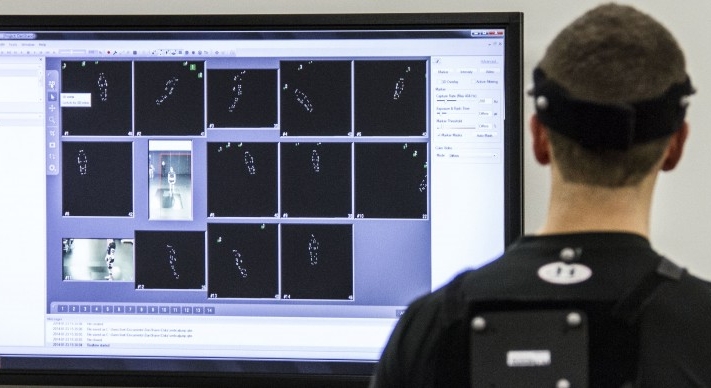
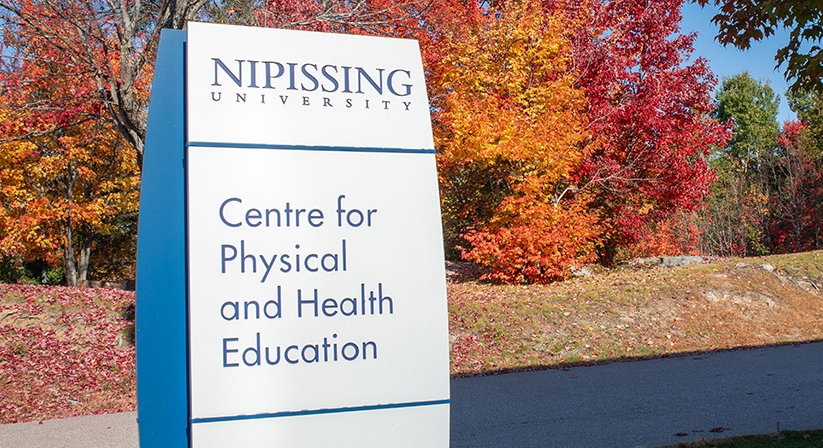
    The Biomechanics and Ergonomics Lab is located within the Centre for Physical and Health Education. The lab contains a full suite of hardware and software to facilitate the quantification of human movement and its underlying causes, with the goals of improving performance and/or reducing injury risk. The space features a large primary motion capture space, surrounded by a ceiling-mounted camera bar and centred around a custom force plate grid; neuromuscular testing equipment; ultrasound scanning capabilities; and standard software packages for biomechanical data collection, processing, and analysis (e.g., Visual3D, Matlab, Labview, Python).

    Contact: 
    Dr. Dean Hay, Professor/Director, SPHE 
    705-474-3450 x4585 
    deanh@nipissingu.ca OR directorsphe@nipissingu.ca 

    Dr. Aaron Kociolek, Associate Professor 
    705-474-3450 x4211 
    aaronk@nipissingu.ca 

    Dr. Alison Schinkel-Ivy, Associate Professor 
    705-474-3450 x4561 
    alisons@nipissingu.ca 

  • Central Analytical Facility

    Central Analytical Facility

    Room: R109

    Learn More

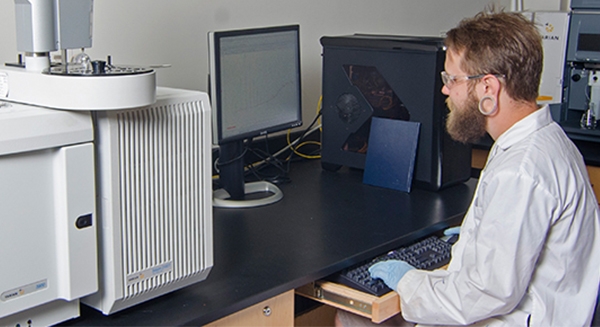
    The Central Analytical Facility (CAF) at Nipissing University houses a wide range of analytical instrumentation, including an Agilent LC/GC‑QTOF, Tekran 2600 and 2700, a BioTek plate reader, a Thermo ICS 3000, a Bruker NMR, and an FTIR. The facility is also equipped with essential laboratory tools for sample preparation, such as ultra pure water system, filtration systems, incubators, ovens, balances, centrifuges and extractors.

    Contact

    Ashley Marcellus
    705-474-3450 ex. 4705
    ashleym@nipissingu.ca

  • interior of Elizabeth Thorn Centre

    Centre for Literacy - Elizabeth Thorn

    Room: R227

    Learn More

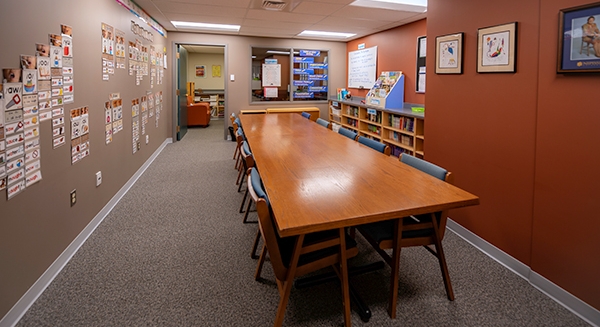
    The Dr. Elizabeth Thorn Literacy Centre is a campus space for Education Students – Concurrent and Consecutive! A space for learning, studying, meeting as small groups, collaborating, and more!

  • C-WAG space with 3 students doing work and reading books inside

    Centre for the Study of War, Atrocity, and Genocide

    Room: A242

    Learn More

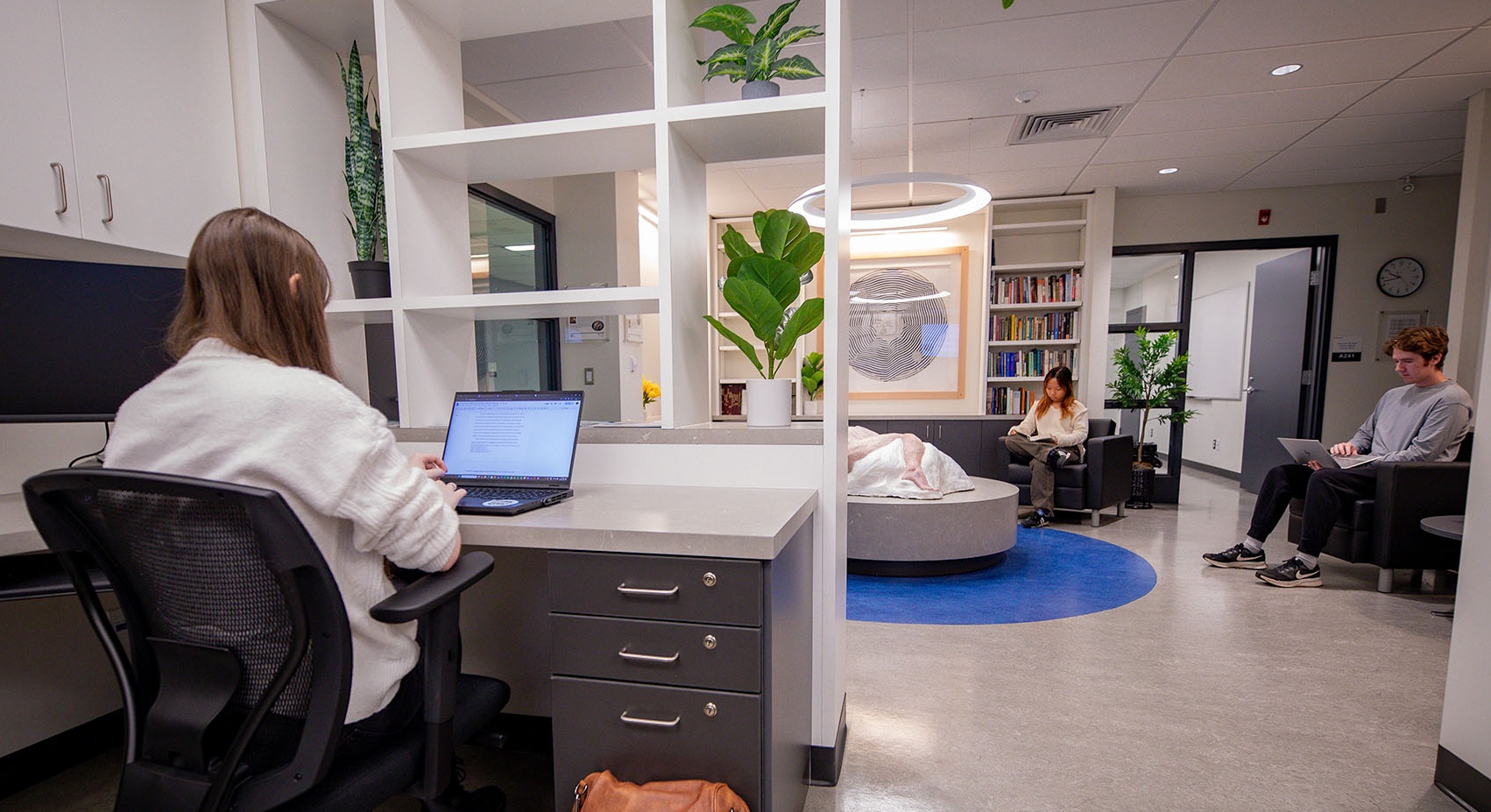
    Researchers at the Centre for the Study of War, Atrocity, and Genocide (C-WAG) engage with important questions about state-sponsored violence, including the structural violence and displacement that accompanies colonial practices, war, and genocide and the role that transitional and retributive justice play in the reconstruction of post-conflict and post-colonial societies. Community researcher partners, affiliates, and Nipissing University students are also an integral part of the Centre's research practices and ethic. As a place of knowledge production, methodological innovation and training, the Centre makes academic research on genocide and state violence accessible to the wider Nipissing University and North Bay communities as well as to other sectors of society.

  • Collaborative Systems Laboratory

    Collaborative Systems Laboratory

    (CoSys Lab)

    Room: R230

    Learn More

    Current research in the CoSys Lab is focused on Collaboration Theory, Technologies, Systems, and Applications (Role-Based Collaboration and Adaptive Collaboration), Human-Machine Systems, CSCW (Computer-Supported Cooperative Work), Multi-Agent Systems, Software Engineering, and Distributed Intelligent Systems.​

  • Biology lab

    Drosophilia Laboratory - Genetics and Aging

    Room: R217

    Learn More

    The primary research interests of the Genetics and Ageing Lab involve the genetics and molecular biology of oxygen free radicals, toxic forms of oxygen generated as a byproduct of normal cellular metabolism, and how they affect ageing. Oxygen free radicals are unstable molecules that can react quickly with other atoms and molecules, causing damage to living tissues. It is the accumulation of such damage that is believed to be the root cause of the ageing process and lead to specific age-related diseases as well as general functional decline.

    Assistant Professor of Biology, Dr. Tony Parkes


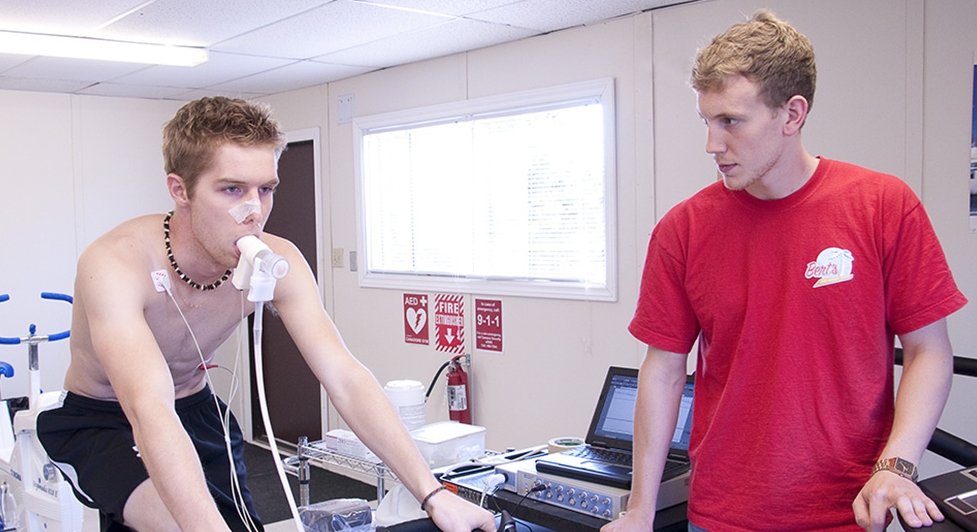
  • Young shirtless man wearing sensors pedaling a cycle ergometer while a lab technician in a red shirt monitors data

    Exercise Physiology Laboratory

    Room: AC152

    Learn More

    Research infrastructure includes a temperature-, humidity-, and oxygen-controlled environmental chamber, a dual-belt instrumented treadmill, motion-capture system, metabolic carts, velotron cycle ergometers, near-infrared spectroscopy, electromyography, and blood sampling equipment.

    Contact:
    Graydon Raymer or geoffh@nipissingu.ca

  • trails

    Forest Resources Laboratory (FRL)

    Learn More

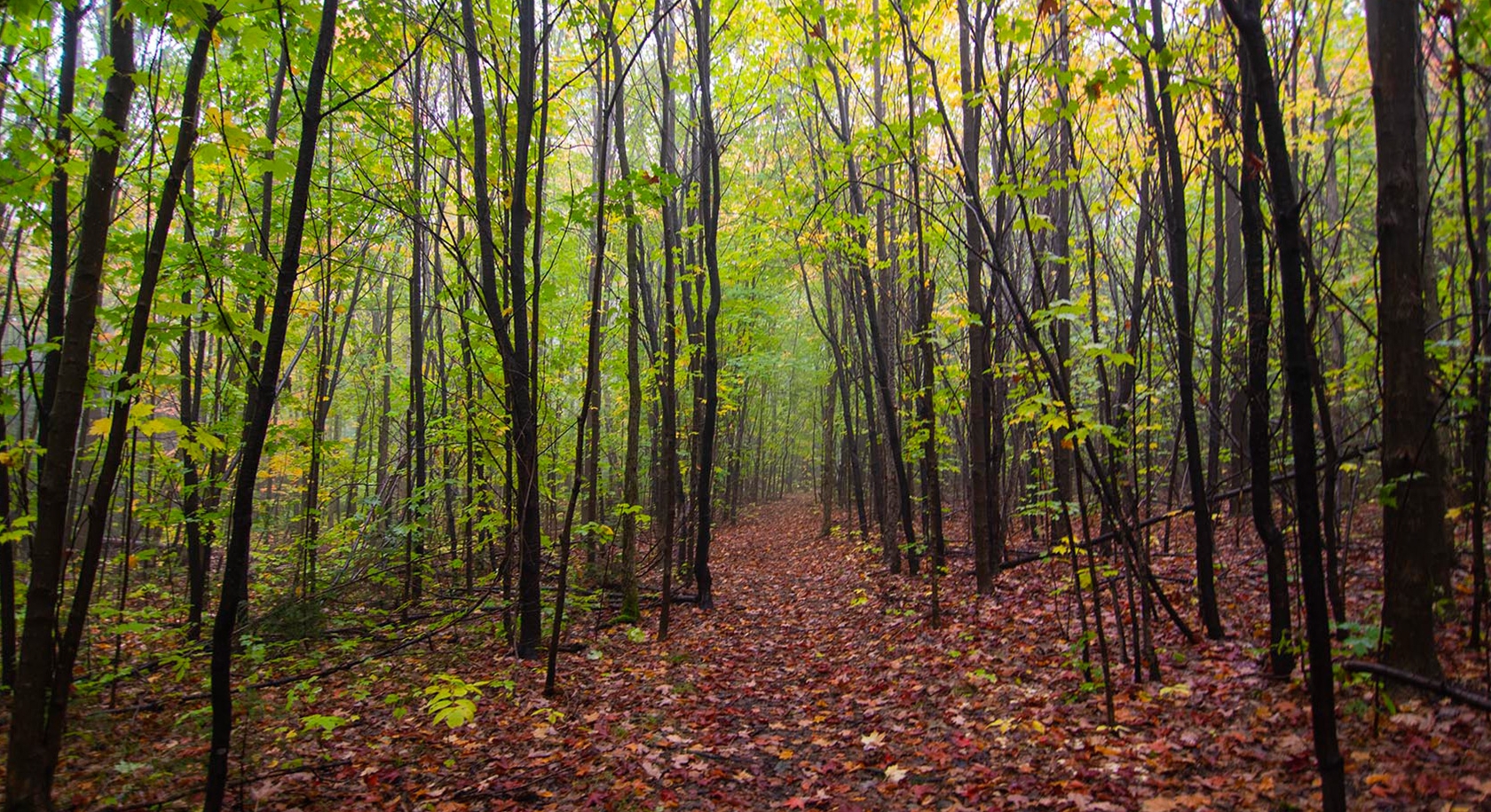
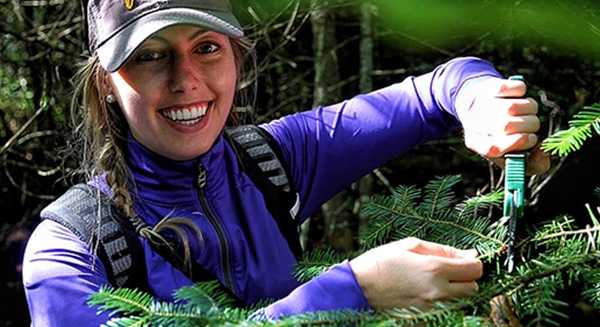
    Research in the Forest Resources Laboratory (FRL) at Nipissing University focuses on aspects of biology at the community, ecosystem and landscape levels of organization. Using the forests of the Great Lakes - St. Lawrence and Northeastern Boreal regions of Ontario as our natural laboratory, we explore patterns in the distribution, composition and productivity of plant communities, and the ecological drivers that produce these patterns. Ultimately, we strive to translate the knowledge we gain of ecological patterns on the landscape in to practical applications for forest resource management.

    A major aim in our research is providing scientific knowledge to support the sustainable development of new forestry products in northern Ontario. Recently we have embarked on a long-term research program with the objective of developing ecological inventory and supply-management tools for Boreal forest resources. These resources include both the forest trees (sources of fibre, biomass and biofuels) and the understorey plants (sources of pharmaceuticals, nutraceuticals and foods). Species of interest include Black Spruce (Picea mariana), an important Boreal forest tree, and Ground Hemlock (Taxus canadensis), an evergreen shrub that is a source of paclitaxel, which is used in the treatment of various types of cancer. This list is expanding as the project develops, adding as many plant species as possible to the inventory.

    Studies currently underway in the FRL are aimed at developing models of abundance, productivity and quality for each species of interest across the range of ecological conditions which occur in the Boreal forest. To reach this goal we use dendrochronology, digital image analysis, ecological land classification, geographic information systems and predictive ecological mapping techniques.

    For more information on the FRL or any of our projects please contact Dr. Jeff Dech.

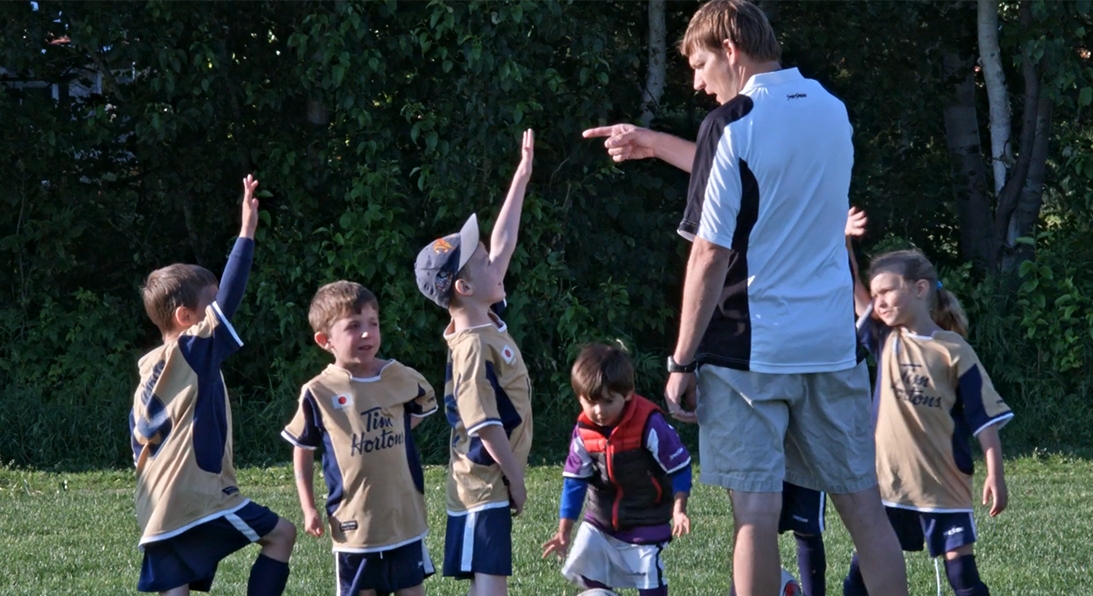
  • Dr. Mark Bruner coaching youth soccer

    Groups for Youth Development (G4YD) Laboratory


    Learn more

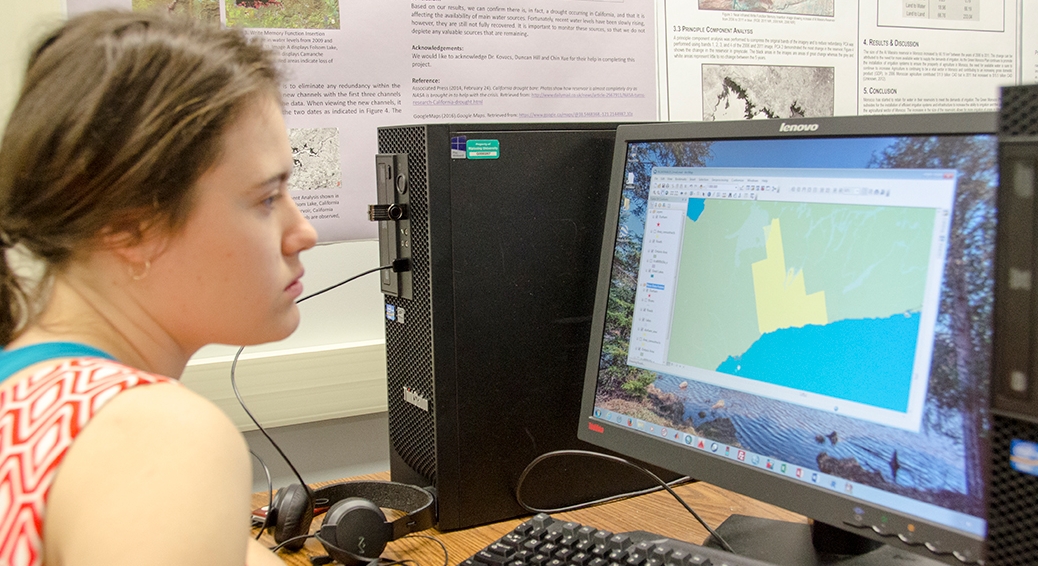
  • student on a computer in the geomatics lab

    Geomatics Lab

    Room: A134

    Learn More

    Nipissing University’s Geomatics Lab is equipped with 32 workstations. We support up-to-date industry leading software, e.g. ArcGIS, PCI Geomatica, and PASW. Students working in the Geomatics Lab have the opportunity to gain hands on experience with cutting-edge geomatics technologies and skills necessary in today’s world to work on various types of digital spatial datasets, satellite image, and radar images.

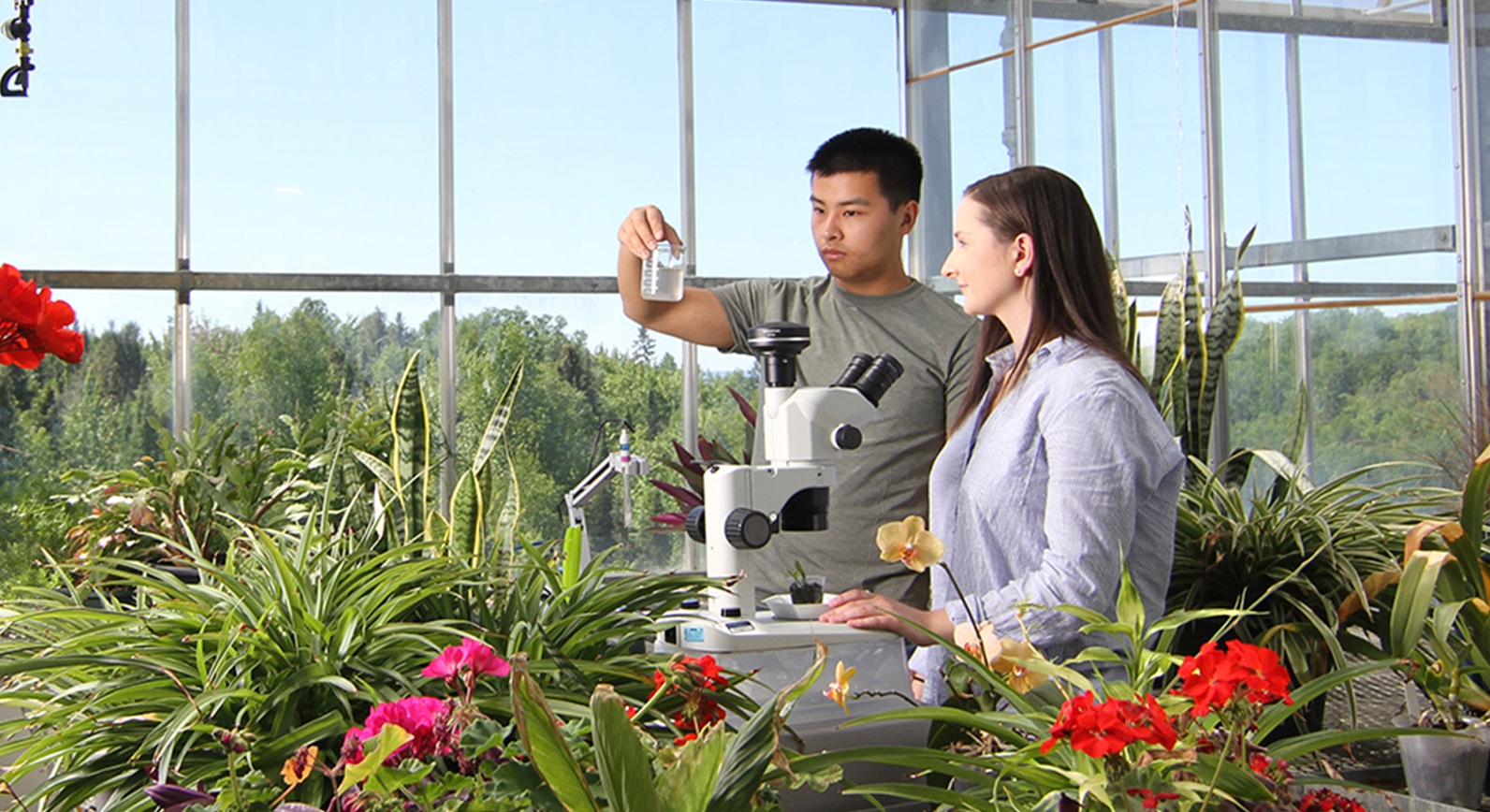
  • 2 people looking at a sample from the microscope in the greenhouse surrounded by plants

    Greenhouse


    Learn More

    Nipissing Greenhouse Complex features three large growth zones containing four moveable benches. Each zone features independent computer controlled temperature, humidity, and lighting that can be custom programmed to produce a range of growing conditions. The greenhouse is primarily used by the Biology Department for research and teaching purposes.

    If you wish to utilize growth space in the Greenhouse complex, please contact the Office of Graduate Studies & Research (research@nipissingu.ca).

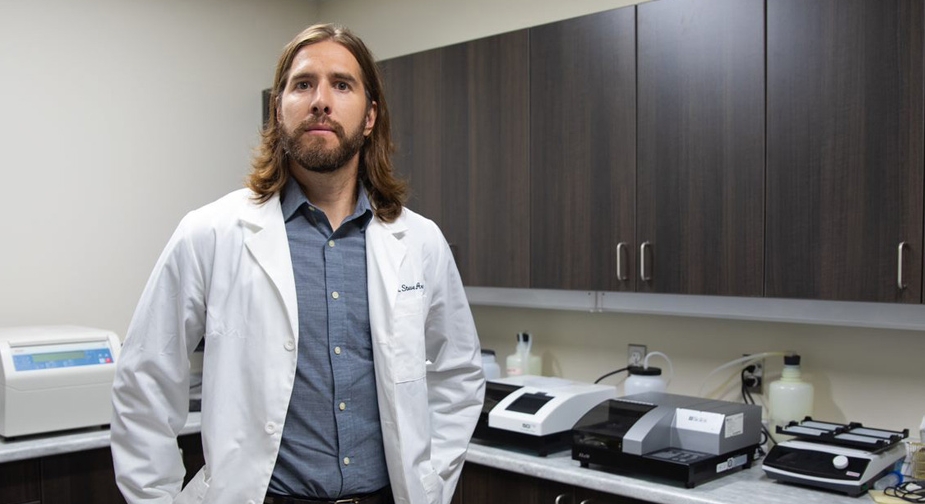
  • Dr. Steven Arnockyin his lab.

    Human Evolution Laboratory

    Room: A222H

    Learn More

    Dr. Arnocky's lab is dedicated to the study of human evolution and is funded by the CFI, SSHRC, and NSERC. It is indisputable that nature and sexual selection have shaped many aspects of human biology and behaviour. The Human Evolution Lab seeks to understand how evolutionary pressures may have influenced various aspects of human immune function and hormones, and how these biological factors affect physical attractiveness as well as mating and conflict strategies (competition and aggression) employed both within and between the sexes.

    Contact:
    Steven Arnocky
    705-474-3450 ext. 4295
    stevena@nipissingu.ca

  • Research lab brain scan

    NICE Lab

    Room: A222F

    Learn More

    Lab Director: Dr. Darren Campbell

    The Neuroimaging Interpersonal Connections via E-communication/Neuroimaging Information-processing Cannabis Effects (NICE) lab focuses on two key research areas: the human relationship formation process and chronic cannabis use effects in humans. Their research on the acquaintanceship process includes investigating online communication and social evaluation and utilizes functional MRI brain imaging. They are also interested in the "get-to-know-you" process tat occurs online and how people display interest or disinterest within online conversations. Their cannabis research primarily targets spatial memory functions, emotional attention bias, and functional brain imaging responses in chronic cannabis users. Learn more about the lab.

  • Happy student in class

    Nipissing Earth Observation Laboratory

    Room: R220

    Learn More

    This laboratory is used primarily for the analysis of digital remotely sensed imagery acquired from various satellite platforms including Landsat, SPOT, Radarsat-1 & 2, RapidEye, ENVISAT ASAR, ALOS PALSAR/AVNIR-2, Quickbird WorldView-2 and IKONOS. There are two main PCs which support the most updated versions of PCI Geomatica, ENVI, SAR Polarimetry Workstation and Definiens Developer. An ASD FieldSpec HandHeld Portable Spectroradiometer is available for field data collection.

    Biophysical inventorying equipment stored in the lab includes one LAI-2000 Plant Canopy Analyzer, two AccuPAR LP-80 Ceptometers, one LI-3050C Portable Area Meter, Leica DISTO distance meters, Suunto clinometers, DBH tapes, spherical densiometers, BAF2 prisms and two HOBO Micro Station Data Loggers equipped with Photosynthetic Active Radiation sensors.

    GPS equipment includes two GPS Pathfinder ProXT receivers, two Trimble 400C Recon Units, one Trimble GeoXT, two Trimble Hurricane Antenna Kits and respective software (Trimble, TerraSync Professional and Pathfinder Office). An older sub-metre differential GPS unit is also held in the lab (2 Ashtech SCA-12 receivers, Husky data collector and 2 external antennas).

    The lab is supported by NSERC funding awarded to Dr. John Kovacs. For further information please contact him at 705.474.3450 (ext. 4336/4347) or johnmk@nipissingu.ca.

  • Nipissing University Herbarium

    Room H227

    Learn more

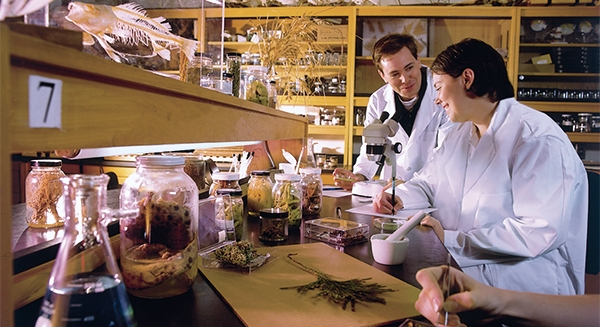
    The Nipissing University Herbarium is a growing scientific collection dedicated to documenting the Flora of Northern and Central Ontario. Established in 2001, the Herbarium houses preserved plant specimens representing ferns, grasses, herbs, shrubs, and trees from across the region, providing a permanent, verifiable record of regional biodiversity. The Herbarium serves as a research archive supporting studies in plant ecology, forest regeneration, biodiversity assessment, and environmental change. The collection contributes to regional biodiversity documentation, supports field-based ecological research, and provides baseline records for monitoring species distributions and habitat change. In addition to its core floristic holdings, the Herbarium is expanding specialized collections of plants having medicinal, edible, and cultural values to support ethnobotanical research and community engagement initiatives. As a regional biodiversity repository, the Nipissing University Herbarium strengthens research capacity in plant science and environmental stewardship in Northern Ontario. 

    Contact:
    Peter Nosko (Curator)
    705-474-3450 ext. 4323
    petern@nipissingu.ca

  • student in lab

    North Bay Rotary Club Wet Lab

    Room: A150

    Learn More

    This lab is equipped with two large fume hoods, two convection ovens, a pH station, an oscillating shaker, a centrifuge, and three weighing stations, including top-loading pan balances and precision balances. Workstations include, sinks, electrical and gas outlets, soil sample storage space, and appropriate glassware and smaller equipment for conducting a number of basic soil analyses. A microvideo system with polarizing and binocular microscopes allows for close-up work with soil minerals and soil biology in soil science, and with rocks and minerals in geology. The wet lab also doubles as a geology lab and contains built-in cabinets for storing display samples and class-sets of rock, mineral and fossil samples appropriate for introductory geology.

  • NORTH PA Laboratory

    NORTH PA Laboratory

    Northeastern Ontario Research Team for Health and Physical Activity (NORTH PA)

    Room: AC204

    Learn More

    The Northeastern Ontario Research Team for Health and Physical Activity (NORTH PA) lab is located within Nipissing University’s Centre for Physical and Health Education in North Bay, Ontario. The centre, which opened in August of 2013, combines research, education and physical activity to support an integrated approach to learning and healthy living. Our lab is just one of the state-of-the-art laboratories housed within the $13 million facility committed to the advancement and greater understanding of human health and movement. 

    The NORTH PA lab includes a fitness studio equipped with 6 observational cameras, as well as an interview room fitted with an observation window along with video editing, data analysis, and teleconference capabilities.

  • Northern Centre for Research on Aging and Communication

    Northern Centre for Research on Aging and Communication

    Ro​om A145B

    Learn More

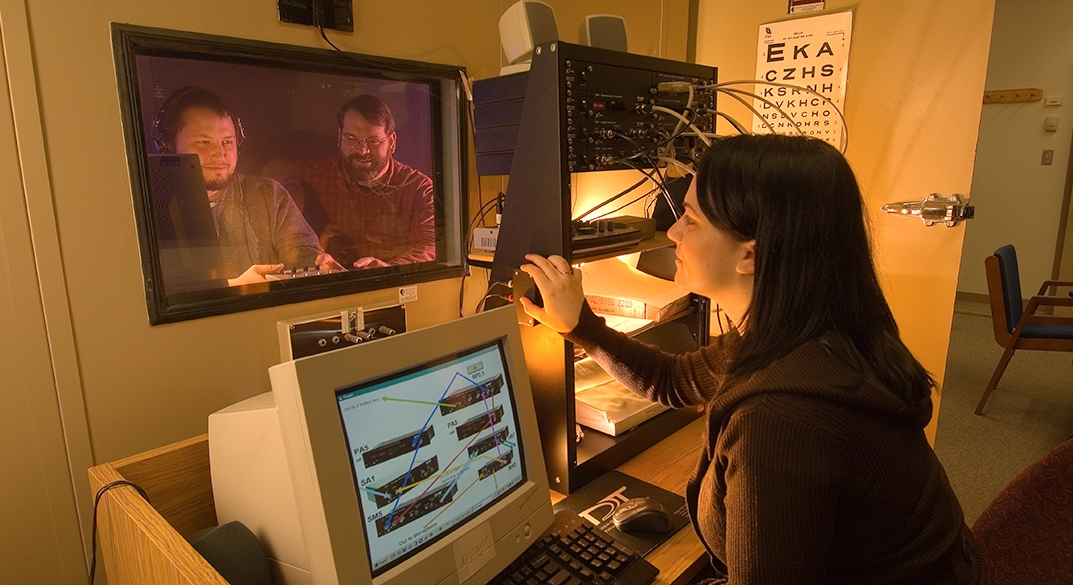
    The Northern Centre for Research on Aging and Communication (NCRAC) at Nipissing University houses a range of auditory presentation equipment as well as other equipment designed to facilitate testing participants using stimuli presented in the visual and auditory modality.  The specific equipment found in NCRAC includes: a single-walled sound attenuating chambre (Industrial Acoustics Company Model Number 403-A), an Interacoustics Diagnostic Audiometer (AD226), Tucker-Davis Technologies (TDT) system 3 auditory presentation equipment including  2 RP2.1 Real-time processors, 4 PA5 Programmable Attenuators, a SA1 Stereo Power Amp, a HB7 Headphone Driver, a SM5 Signal Mixer, and a MA3 Stereo Microphone Amp.  Other auditory equipment found within the centre include: a set of TDH 39P-10 Headphones, and a set of Sennheiser 280 HD Pro headphones. 

    Contact:
    Dana Murphy
    705-474-3450 ext. 4472
    danam@nipissingu.ca

  • NURON Lab

    NURON Lab

    Nipissing University Research on Neuroscience (NURON) Laboratory​

    Room R119

    Learn More

    The Nipissing University Research on Neuroscience (NURON) lab at Nipissing University houses a range of specialized brain tissue preparation and microscopic equipment. These include a transmission electron microscope (TEM), a confocal laser microscope, and specialized light microscopes with digital cameras. Tissue preparation equipment includes a Leica cryostat for frozen brain sectioning and an ultramicrotome for thin sectioning of resin embedded tissue (nanometer scale). Together, this suite of equipment allows for the full exploration of ultrastructural brain changes associated with neural plasticity and neurodegenerative disease.

    Contact:
    Amy Stillar
    705-474-3450 ext. 4486
    amys@nipissingu.ca

  • sampling trees

    Plant Ecology Research Laboratory


    Learn More

    The Plant Ecology Research Lab (PERL) investigates the ecological processes that regulate forest regeneration and long-term ecosystem resilience. Our research examines how physical and biotic stressors interact to constrain or redirect forest renewal across temperate and boreal landscapes. A central focus is understanding how chronic disturbance alters growth trajectories, resource allocation, and survival of tree seedlings and saplings. By integrating field experiments, chemical analyses, dendrochronology, and stand-level assessments, PERL seeks to identify the mechanisms that determine whether forests recover, transform, or experience persistent regeneration bottlenecks. 

    PERL research is supported by laboratory and greenhouse facilities at Nipissing University. Researchers have access to programmable greenhouse environments that allow controlled manipulation of light, temperature, and moisture regimes for seedling experiments. PERL is equipped to measure growth responses to disturbance across all stages of tree development, from controlled seedling trials to field-based assessments of saplings and mature trees. PERL researchers use the Central Analytical Facility for chemical and structural analyses of water, soil, and plant tissues, including preparation and processing of samples for plant secondary metabolites, fiber chemistry, nutrient assays, and related ecological measurements. These resources enable integration of controlled experiments with field-based studies across multiple spatial and environmental scales. 

    Contact: 

    Peter Nosko 
    705-474-3450 ext. 4323 
    petern@nipissingu.ca 


  • Plant Signal Transduction

    Plant Signal Transduction


    Learn More

    Dr. Cholewa studies plant structure and function. Her research interests are reflected in numerous collaborative publications, from vein arrangement and water transport in plants from Costa Rica’s rain forest to the ion and photoassimilate transport in arctic sedge. Dr Cholewa's research at Nipissing University is based on the application of a Confocal Laser Scanning Microscope in studies of signal transduction pathways in plants, allow the examinaton of responses to the environmental and chemical signals at the cellular and subcellular levels.

  • Nipissing University’s Dr. Mary Pat Sullivan and Dr. Veronika Williams receive grant from Canadian Institutes of Health Research

    Rare Dementia Support (RDS) Canada

    Room: A230

    Learn More

    RDS Canada provides a virtual space for anyone affected by a rare dementia offering access to information, tailored individual and group support and guidance, and connection with others who are affected by similar conditions. The team includes dementia care practitioner specialists, researchers, educators and individuals with lived experience through our Advisory Group. RDS Canada is committed to ongoing research about best practices in the provision of support for people living with or caring for someone with rare dementia. Our learning is mobilized through the delivery of RDS Canada, presentations to lay and academic audiences, education and the development of resources for people living with dementia and practitioners. 

  • Statistics and data displayed in various colors

    Research Data Centre (RDC)

    Room A151

    Learn More

    Research Data Centres (RDCs) are secure facilities within the Canadian Research Data Centre Network (CRDCN) that provide researchers access to Statistics Canada microdata. Operated by Statistics Canada employees under the Statistics Act, RDCs ensure data confidentiality and require researchers to obtain security clearance, become ‘deemed employees,’ and follow strict confidentiality guidelines.

    As part of a national initiative by Statistics Canada, SSHRC, CIHR, and university partners, RDCs support research across Canada, offering professors, graduate students, and external researchers access to confidential data for theses, reports, and publications.

  • Centre for Physical Health Education

    Sensory-Movement Behaviour Lab

    Room: AC206

    Learn More

    Researchers in the Sensory-Movement Behaviour Lab examine how typically developing people and those compromised by disorders, disease, or trauma control their movements. The goal of the lab is to identify human capacities and reduce barriers with the intention of increasing the quality of life of all Canadians.

    Optotrak Certus 3D Motion Capture System (Northern Digital Inc.; CFI funded) 
    The Optotrak Certus is a research-grade active marker motion capture system that is often referred to as the gold standard among research scientists. In 3D mode, the Optotrak Certus system has an accuracy of 0.1 mm, a resolution of 0.01 mm, and a max sampling rate of 4600 Hz. In addition, the Optotrak Certus system allows for the real-time synchronization and integration of third party equipment such as eye-trackers, EMG, and force plates. Northern Digital Incorporated is a Canadian manufacturer and developer of industry leading research-grade motion capture systems.

    Eyelink 1000 Binocular Eye-tracker (S-R Research; CFI funded)
    The Eyelink 1000 system is a binocular eye tracker with a high spatial accuracy (0.25-0.5 degrees), high resolution for eye-tracking (0.01 degrees) and micro-saccade identification (0.05 degrees), has a low noise signal (0.05 degrees), and has a high binocular data collection rate in both the head supported (1000 Hz) and remote settings (500 Hz), and features rapid set-up and calibration processes. SR-Research is a Canadian-based international company who manufacture field leading research grade eye-tracking equipment.

    Bagnoli 16 Channel EMG System (Delsys; CFI funded)
    The Delsys Bagnoli 16 channel EMG system with software, trigger module, skin interfaces, and reference electrodes. The EMG system measures the muscle activity of 16 muscles during human movement. The unit can sample from multiple other biosensors such as potentiometers, accelerometers, and load cells.

    Digitizing Tablet (Wacom)
    The Wacom digitizing tablet (Intuos4 XL) allows the participant to use either a pen or mouse on a large aiming surface (46×30 cm) while we record their movements in 2D. During experiments, we can learn much about how people plan and execute their movements from these recordings.

    Liquid Crystal Goggles (Translucent Technologies
    The P.L.A.T.O. liquid crystal goggles are used to control the timing of the presentation of the visual environment to the experimental participant. The goggles can open within 4 ms and close within 3 ms. The lenses are clear when open and appear translucent, or milky white when closed.

  • Social Neuroendocrinology Lab

    Social Neuroendocrinology Laboratory​​

    Room: A223

    Learn More

    The Social Neuroendocrinology Lab takes a social neuroscience approach to research by combining theory and methodology from social and experimental psychology, endocrinology, neuroscience, social cognition, pharmacology, and molecular genetics. Their ultimate goal is to detail the complex mechanisms underlying variation in human competitive and aggressive behaviour. Their new 1,500 square foot lab facility, which opened in 2017, allows for more on-site testing.

  • Watershed Hydrology Lab field research - 3 people on a boat in the middle of a lake taking measurements

    Watershed Hydrology Laboratory

    Rooms: R219-R222

    Learn More

    This laboratory supports catchment hydrology, lake and weather monitoring, and computer modelling. Field equipment supports the study of hydrologic processes (e.g. streamflow generation) under varying environmental conditions and includes meteorological stations, streamflow monitoring station packages (Isco auto-sampler, raingage, pressure transducer, YSI EC/Temperature probes), groundwater recording (water level meters, capacitance rods) and sampling instrumentation (peristaltic pump, drive-point piezometers), soil moisture monitoring probes and lysimeters, basic hydrometric equipment (pygmy meter outfit with Aquacalc 5000, constant head permeameter, soil auger kit) and a field truck. Field and lab equipment supports use of a range of environmental tracers of water movement and sources within the landscape (temperature, EC, stable isotopes of 18O/16O, and D/H).

    Computer stations support data analysis, catchment modelling and spatial analysis (i.e. GIS). A rugged field notebook supports field-based downloading and programming capabilities.

    Lake profile monitoring equipment includes two Fondriest CB-405S Data Buoys equipped with thermistor chains, EXO2 Sonde and sensors (EC, T, pH, total algae, turbidity), data loggers, and weather instrumentation (wind speed/direction, RH, rain).

    This laboratory analyses water samples (liquid and vapour) for stable isotope ratios of 18O/16O, and D/H using a L2120-i Picarro isotope liquid water analyser. Equipped with a Millipore DI water purification system and cold storage (fridge, freezer), the lab also supports preparation and storage of water samples for additional off-site analyses (e.g. cation, anion, trace element, TOC).

    Computer stations support data analysis, catchment modelling and spatial analysis (i.e. GIS). A rugged field notebook supports field-based downloading and programming capabilities.

    For further information contact Dr. April James at 705-474-3450 (X4062) or aprilj@nipissingu.ca.

  • student studying salamanders

    Wildlife Ecology and Environmental Science Lab
    Learn More

    In our lab: 

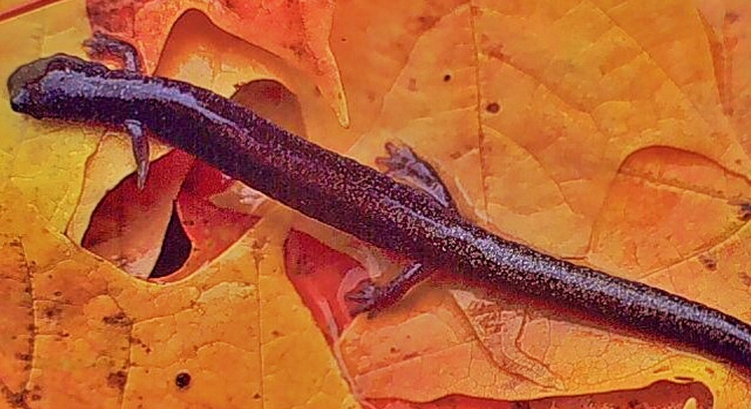
    1. we assess the health and vitality of wildlife species such as wolves, loons, martens, fishers, salamanders, and frogs;
    1. we delve into factors that may be affecting wildlife, such as pollutants, herbicides, pharmaceuticals, car collisions, and climate change;
    1. we work with partners such as the Ontario Ministry of Natural Resources and Forestry, and the Fur Harvesters’ Auction, to investigate wildlife issues; and
    1. we produce a textbook on Environmental Science, every 3 years, that is used at Canadian Universities from coast to coast.